Lithium Battery Recycling in Sydney
Fire-safe collection, packaging and recycling of lithium-ion and lithium-polymer batteries — from phones and laptops to power tools, e-bikes and energy storage systems — handled to avoid thermal runaway risk, with full documentation and recovery of valuable battery materials.
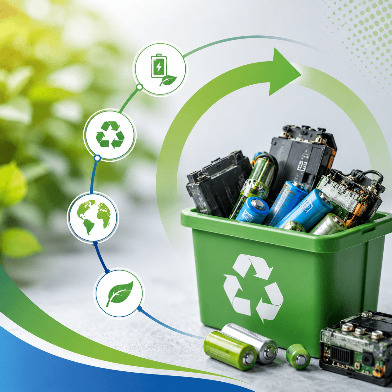
Fire-safe collection and recycling of lithium batteries from Sydney businesses
What Is Lithium Battery Recycling?
Lithium battery recycling is the fire-safe collection, packaging and processing of lithium-ion and lithium-polymer batteries once they're spent, damaged or no longer needed. Unlike standard household batteries, lithium batteries carry a genuine fire risk if damaged, crushed, short-circuited or exposed to heat, so they can't be placed in general waste, recycling or standard e-waste bins. Correctly handled, valuable materials including lithium, cobalt, nickel and copper can be recovered and reprocessed.
Clean Waste collects lithium batteries of any volume across Sydney — from a handful of spent phone or laptop batteries to a bulk collection of power tool packs, e-bike batteries or decommissioned energy storage systems — using fire-safe packaging and storage at every stage, with full documentation for your records.
Damaged or Mishandled Lithium Batteries Can Ignite
A punctured, crushed, overheated or short-circuited lithium battery can enter thermal runaway and catch fire with little warning.
Never bin, crush or store loose lithium batteries
Never place lithium batteries in general waste, recycling or standard e-waste bins, and never puncture, crush or expose them to heat. Tape over terminals before storage to prevent short circuits, keep batteries separate from metal objects and other batteries, and store them in a cool, dry area away from flammable material. If a battery is swollen, leaking, damaged or unusually hot, isolate it in a fire-safe container and arrange collection immediately rather than continuing to store it on site.
Lithium Battery Recycling Done Fire-Safely
A lithium battery collection only stays safe if every stage — storage, packaging and transport — follows fire-safe handling procedures.
From Identification to Recycling Certificate
Here's what happens when you book a lithium battery recycling service.
Free Site Assessment
We identify battery chemistry, format and condition, flagging any damaged, swollen or high-risk cells.
Fire-Safe Packaging
Terminals are taped, batteries individually bagged, and cells packed in certified fire-resistant containers.
Sorting by Chemistry
Lithium-ion, lithium-polymer and other chemistries are separated for their correct processing pathway.
Licensed Transport
Batteries are transported under dangerous goods licence to an approved battery recycling facility.
Certificate Issued
A consignment note and recycling certificate are provided confirming compliant processing, for your records.
Lithium Battery Types We Collect
Most commercial and consumer lithium battery waste falls into one of these categories.
What Can & Can't Be Collected
Correct handling and storage keeps your collection safe, efficient and compliant with NSW dangerous goods requirements.
✅ Accepted
- Lithium-ion and lithium-polymer batteries, any format
- Phone, laptop, tablet and small device batteries
- Power tool battery packs
- E-bike, e-scooter and light electric vehicle batteries
- Decommissioned energy storage and backup battery systems
- Damaged, swollen or leaking batteries (flagged in advance for fire-safe handling)
❌ Not Accepted
- Loose batteries with exposed or untaped terminals dropped off without notice
- Batteries mixed loose into general e-waste or scrap metal bins
- Actively smoking, venting or on-fire batteries (call Fire and Rescue NSW on 000 first)
- Radioactive or explosive materials
- Batteries mixed with general waste or construction debris
- Lead-acid or other non-lithium battery chemistries (collected under a separate stream)
What Happens to Lithium Batteries After Collection
Understanding where lithium batteries go explains why fire-safe handling and sorting matter so much.
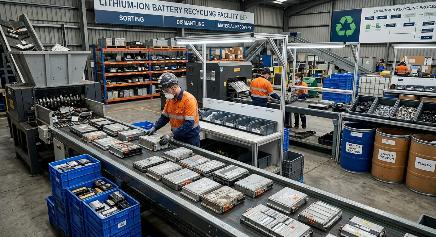
- Identification & grading: Batteries are identified by chemistry and condition, with damaged cells isolated first
- Fire-safe storage: Batteries are held in certified fire-resistant containers ahead of transport
- Consignment authorisation: Movements are tracked via consignment notes from collection to destination
- Discharge & dismantling: Cells are safely discharged and dismantled at an approved facility
- Material recovery: Lithium, cobalt, nickel and copper are recovered and reprocessed into new material
What Drives Your Lithium Battery Recycling Cost
Clear quotes based on battery type, volume and condition, no hidden fees.
Typical cost for a small box of phone, laptop or power tool batteries.
Typical cost for a bulk collection of e-bike, e-scooter or larger-format battery packs.
Energy storage system decommissioning and damaged or swollen battery collections are quoted individually.
Pricing depends on battery chemistry, format, volume and condition. Request a free, itemised quote and we'll confirm your exact cost after a no-obligation site assessment.
Lithium Battery Recycling for Every Sector
Any business generating spent or damaged lithium batteries benefits from a fire-safe, documented recycling service.
Lithium Battery Recycling Across Greater Sydney
Consistent, fire-safe collection wherever your office, workshop or warehouse is located.
Other Hazardous & E-Waste Services You May Need
Lithium batteries often come alongside other regulated streams — explore the related service that matches your site.
Guides on Hazardous Waste & Fire Safety Compliance
Background reading on how lithium battery disposal fits into NSW's hazardous and dangerous goods rules.
Visit the Clean Waste blog for more guides on NSW waste compliance.
Lithium Battery Recycling FAQs
Straight answers to the questions Sydney businesses ask most before booking a lithium battery recycling service.
Why can't lithium batteries go in general waste or recycling bins?
Lithium batteries can catch fire if damaged, crushed or short-circuited, which makes them a serious risk in general waste trucks and recycling facilities. They need to be collected and processed by an operator that follows fire-safe handling procedures.
What should I do with a swollen, damaged or leaking battery?
Isolate it in a fire-safe, non-metallic container away from flammable material and other batteries, and arrange collection as soon as possible rather than continuing to store it. Let us know at booking so we can prioritise and handle it correctly.
Do I need to tape battery terminals before collection?
Yes, taping terminals prevents short circuits during storage and transport. Our team can also assist with terminal taping and fire-safe packaging as part of a site assessment.
What if a battery is actively smoking or on fire?
Call Fire and Rescue NSW on 000 immediately — this is not something our collection service can respond to as an emergency. Once the situation is resolved, contact us to arrange safe collection and disposal of the affected battery.
Do you collect e-bike and e-scooter batteries?
Yes, larger-format lithium batteries from e-bikes, e-scooters and other light electric vehicles are collected and packaged using the same fire-safe procedures as smaller device batteries.
How much does lithium battery recycling cost in Sydney?
Typical costs range from $20–$60 for a small box of phone, laptop or power tool batteries, and $150–$450 for a bulk collection of e-bike or larger-format packs. Energy storage decommissioning and damaged battery collections are quoted individually. Contact us for a free, itemised quote.
Book Lithium Battery Recycling Today
Free site assessment. Fire-safe handling. Fully documented, every collection.