Metal Recycling for Sydney Businesses
Collection, sorting and recycling of ferrous and non-ferrous scrap metal from construction sites, manufacturers and commercial premises — weighed, documented and diverted from landfill, with recycling certificates and, where applicable, scrap value returned to you.
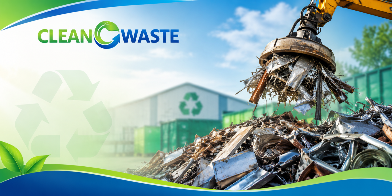
Sorted collection and recycling of scrap metal from Sydney businesses
What Is Metal Recycling?
Metal recycling is the collection, sorting and processing of ferrous metals (steel, iron) and non-ferrous metals (aluminium, copper, brass, stainless steel) so they can be reprocessed into new material instead of going to landfill. Scrap metal from construction offcuts, decommissioned equipment, demolition sites and manufacturing waste retains real recycling value, and correctly sorted loads are processed far more efficiently than mixed general waste.
Clean Waste collects scrap metal of any volume across Sydney — from a few workshop offcuts to a full site or demolition clear-out — alongside your other recycling and waste streams under one account, with weighbridge documentation and a free site assessment to scope the job.
Sort at the Source to Protect Your Scrap Value
Mixed or contaminated metal loads lose value and can be rejected or downgraded at the recycling facility.
Keep ferrous and non-ferrous metal separate, and free of contamination
Store scrap metal away from general waste, timber and plasterboard, and separate ferrous (steel, iron) from non-ferrous (aluminium, copper, brass, stainless) where possible. Drain fluids from decommissioned machinery or tanks before collection, and flag any metal that may contain residual chemicals, oils or hazardous coatings so it can be handled correctly.
Metal Recycling That Maximises Recovery
A metal recycling job only delivers full value if it's sorted correctly and weighed with proper documentation.
From Site Assessment to Recycling Certificate
Here's what happens when you book a metal recycling collection.
Free Site Assessment
We identify metal types and volume on site, and recommend the right bin or collection method.
Booking & Bin Placement
A collection is scheduled, with skip bins or cages placed for ferrous and non-ferrous separation.
Sorting by Metal Type
Steel, aluminium, copper, brass and stainless steel are separated for their correct processing pathway.
Weighbridge & Transport
Loads are weighed and transported to an approved metal recycling facility.
Certificate Issued
A weighbridge docket and recycling certificate are provided confirming diversion from landfill, for your records.
Scrap Metal Types We Collect
Most commercial and construction scrap metal falls into one of these categories.
What Can & Can't Be Collected
Correct sorting keeps your collection efficient, maximises scrap value and avoids contamination penalties.
✅ Accepted
- Steel, iron and structural offcuts from construction and fabrication
- Aluminium sheet, extrusions, cladding and cans
- Copper wire, piping and brass fittings
- Stainless steel benchtops, fittings and mixed alloy scrap
- Decommissioned machinery and equipment, drained of fluids
- Mixed or unsorted scrap metal (sorted on-site or at our facility)
❌ Not Accepted
- Metal containing residual fuel, oil or hazardous chemicals
- Gas cylinders, aerosols or pressurised containers (booked as a separate service)
- Metal contaminated with asbestos-containing material
- Radioactive materials
- Metal mixed with general waste, timber or plasterboard
- Electronic waste containing batteries or circuit boards (booked as e-waste)
What Happens to Scrap Metal After Collection
Understanding where scrap metal goes explains why sorting and weighing matter so much.
- Weighing & logging: Every load is weighed on arrival and logged against your collection docket
- Sorting: Ferrous and non-ferrous streams are separated by type and grade
- Shredding & baling: Metal is shredded, baled or processed depending on form and grade
- Reprocessing: Sorted metal is sent to smelters and mills to be reprocessed into new material
- Record keeping: Weighbridge dockets and recycling certificates are retained to support your reporting

What Drives Your Metal Recycling Cost (or Return)
Clear terms based on metal type and volume, no hidden fees.
Small mixed loads and general skip-bin collections are typically charged a standard collection fee.
Larger, well-sorted loads of ferrous or non-ferrous scrap may return value based on current market rates.
Bulk site clearances and mixed alloy loads are assessed and quoted individually.
Pricing depends on metal type, grade, volume and sorting quality. Request a free, itemised quote and we'll confirm your cost or return after a no-obligation site assessment.
Metal Recycling for Every Sector
Any business generating scrap metal benefits from a sorted, documented recycling service.
Metal Recycling Across Greater Sydney
Consistent, documented collection wherever your site, workshop or project is located.
Other Recycling & Waste Services You May Need
Metal recycling often comes alongside other site waste streams — explore the related service that matches your project.
Guides on Recycling & Waste Compliance
Background reading on how metal recycling fits into NSW's waste and resource recovery rules.
Visit the Clean Waste blog for more guides on NSW waste compliance.
Metal Recycling FAQs
Straight answers to the questions Sydney businesses ask most before booking a metal recycling service.
What counts as recyclable scrap metal?
Ferrous metals like steel and iron, and non-ferrous metals like aluminium, copper, brass and stainless steel, are all recyclable when sorted and free of hazardous contamination.
Do I need to sort metal before collection?
Sorting isn't mandatory, but separating ferrous from non-ferrous metal on-site improves scrap value and reduces processing time. Unsorted loads can still be collected and will be sorted at our facility.
Can I get paid for scrap metal?
Larger, well-sorted loads of ferrous or non-ferrous scrap may return value based on current market rates. Smaller or mixed loads are typically charged a standard collection fee. A free assessment will confirm which applies to your job.
Can gas cylinders or fuel tanks be included in a metal recycling collection?
No, pressurised containers, fuel tanks and drums with residual contents need to go through our gas canister or hazardous waste services first. Once drained and confirmed safe, the empty metal shell can usually go into general scrap.
Do you handle small quantities, like a few workshop offcuts?
Yes, from a handful of offcuts to a full demolition site clear-out. A free site assessment scopes the job at any volume.
How much does metal recycling cost in Sydney?
Costs vary — small mixed loads are typically charged a standard collection fee, while larger, well-sorted ferrous or non-ferrous loads may return value based on current market rates. Contact us for a free, itemised quote or valuation.
Book Metal Recycling Today
Free site assessment. Correct sorting. Fully documented, every collection.