Gas Canister & Cylinder Disposal for Sydney Businesses
Licensed collection and disposal of LPG bottles, oxy-acetylene cylinders, aerosol cans, refrigerant canisters and other pressurised gas containers — safely handled, correctly classified and transported under NSW EPA licence, with full documentation.
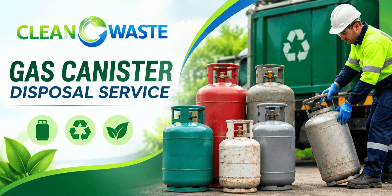
Licensed collection and disposal of gas canisters and cylinders from Sydney businesses
What Is Gas Canister Disposal?
Gas canister disposal is the licensed collection, transport and disposal of unwanted, expired or damaged pressurised gas containers — LPG bottles, oxy-acetylene cylinders, aerosol cans, CO2 and refrigerant canisters, and other compressed or liquefied gas vessels. Under NSW EPA and dangerous goods rules, pressurised gas containers can't be crushed, punctured or placed in a general waste or recycling bin, and must be handled by an operator specifically licensed for compressed gas waste.
Clean Waste collects gas canisters of any volume across Sydney — from a single spent aerosol can to a full pallet of industrial gas bottles — alongside your other hazardous and chemical waste streams under one account, with a free site assessment to correctly classify and scope the job.
Never Puncture, Crush or Heat a Gas Canister
Pressurised containers can explode, leak toxic or flammable gas, or cause serious injury if handled incorrectly.
Treat every canister as pressurised until proven empty
Never puncture, crush, incinerate or expose a gas cylinder or aerosol can to heat or direct sunlight, even if it feels empty. Keep valves closed, store upright in a ventilated area away from ignition sources, and never place gas canisters in general waste, recycling or scrap metal bins. If a container is leaking, unlabelled or you're unsure of its contents, isolate the area and get it professionally assessed.
Gas Canister Disposal That's Actually Compliant
A gas canister clear-out only counts as compliant if it's classified correctly and handled by a specifically licensed operator.
From Classification to Disposal Certificate
Here's what happens when you book a gas canister disposal service.
Free Site Assessment
We identify gas type, container size and pressure state for every cylinder or canister on site.
Booking & Handling Plan
A collection is scheduled, with correct securing, labelling and transport class confirmed.
Sorting by Gas Type
Flammable, oxidising, inert and toxic gas classes are separated for their correct treatment pathway.
Licensed Transport
Gas canisters are transported under specialist dangerous goods licence to an approved depressurisation or recycling facility.
Certificate Issued
A consignment note and disposal certificate are provided confirming compliant disposal, for your records.
Gas Canister Types We Collect
Most commercial and industrial gas canister waste falls into one of these categories.
What Can & Can't Be Collected
Correct sorting and storage keeps your collection safe, efficient and compliant with NSW EPA and dangerous goods requirements.
✅ Accepted
- LPG, propane and butane gas bottles, any size
- Oxy-acetylene, argon and mixed welding gas cylinders
- Aerosol cans, full, part-used or expired
- Refrigerant, CO2 and fire suppression cylinders
- Industrial and medical compressed gas bottles
- Unlabelled or unidentified canisters (assessed and identified by our team)
❌ Not Accepted
- Punctured, crushed or actively leaking cylinders without prior arrangement
- Radioactive or explosive ordnance
- Asbestos-contaminated materials (specialist handling required)
- Canisters mixed loose into general scrap metal or recycling
- Medical, clinical or biological waste
- General waste or construction debris mixed in
What Happens to Gas Canisters After Collection
Understanding where gas canisters go explains why classification and safe handling matter so much.
- Identification & classification: Unknown or unlabelled canisters are tested and classified before handling
- Segregation: Compatible gas classes are grouped; incompatible or reactive classes kept strictly apart
- Consignment authorisation: Movements are tracked via consignment notes from collection to destination
- Depressurisation & treatment: Residual gas is safely vented, neutralised or recovered depending on classification
- Record keeping: Certificates and consignment records are retained to support audits and regulatory reviews
What Drives Your Gas Canister Disposal Cost
Clear quotes based on gas type and volume, no hidden fees.
Typical cost for a handful of aerosol cans or a single small gas bottle.
Typical cost for a set of LPG, oxy-acetylene or refrigerant cylinders from a workshop or kitchen.
Bulk industrial cylinder clear-outs or unidentified canisters are quoted individually.
Pricing depends on gas classification, container size, volume and access. Request a free, itemised quote and we'll confirm your exact cost after a no-obligation site assessment.
Gas Canister Disposal for Every Sector
Any business generating pressurised gas waste benefits from a licensed, correctly classified disposal service.
Gas Canister Disposal Across Greater Sydney
Consistent, licensed collection wherever your site, kitchen or workshop is located.
Other Hazardous & Liquid Waste Services You May Need
Gas canisters often come alongside other regulated streams — explore the related service that matches your site.
Guides on Gas & Hazardous Waste Compliance
Background reading on how gas canister disposal fits into NSW's hazardous and dangerous goods rules.
Visit the Clean Waste blog for more guides on NSW waste compliance.
Gas Canister Disposal FAQs
Straight answers to the questions Sydney businesses ask most before booking a gas canister disposal service.
What counts as gas canister waste?
LPG and propane bottles, oxy-acetylene and welding gas cylinders, aerosol cans, refrigerant canisters and CO2 bottles all fall under gas canister waste. Most are classified as hazardous or dangerous goods under NSW EPA rules.
Can I put gas canisters in general waste or recycling bins?
No. Pressurised gas containers generally cannot go into general waste, recycling or scrap metal bins, since they're classified as dangerous goods and must be collected and disposed of by a specifically licensed operator.
What if I have unlabelled or unknown canisters?
Treat unlabelled or unidentified canisters as pressurised and potentially hazardous until confirmed otherwise. Our team can assess and identify unknown canisters as part of a site assessment, so they can be classified and disposed of correctly.
Can leaking or damaged cylinders be collected?
Yes, but leaking or damaged cylinders need to be flagged in advance so we can arrange the correct handling and transport. Never attempt to puncture, crush or move a leaking cylinder yourself — isolate the area and contact us.
Do you handle small quantities, like a single aerosol can or gas bottle?
Yes, from a handful of spent aerosol cans to a full pallet of industrial cylinders. A free site assessment scopes the job at any volume.
How much does gas canister disposal cost in Sydney?
Typical costs range from $40–$120 for a small batch of aerosols or a single gas bottle, and $150–$450 for a set of cylinders from a workshop or kitchen. Bulk or unidentified canisters are quoted individually. Contact us for a free, itemised quote.
Book Gas Canister Disposal Today
Free site assessment. Correct classification. Fully documented, every collection.