Hazardous & Non-Hazardous Waste Management for Sydney Businesses
Fully licensed removal and disposal of hazardous and non-hazardous waste — chemicals, contaminated materials, regulated substances and general commercial waste — managed by trained specialists with full regulatory documentation.
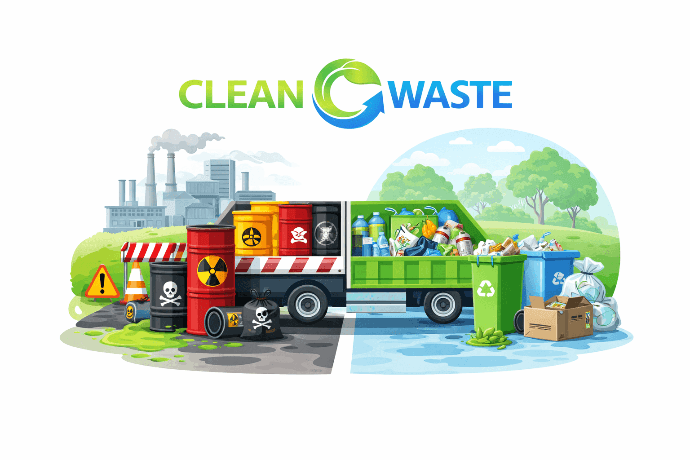
Fully licensed removal and disposal of hazardous and non-hazardous waste
What Is the Difference Between Hazardous & Non-Hazardous Waste?
Under NSW EPA classifications, waste is broadly split into hazardous and non-hazardous categories. Hazardous waste — such as chemicals, contaminated materials, regulated liquids and certain industrial by-products — poses a risk to human health or the environment and must be collected, transported and disposed of by a specifically licensed operator, with full documentation. Non-hazardous waste, including most general commercial and industrial waste, still needs proper management but follows a less restrictive regulatory pathway.
Clean Waste holds the required NSW EPA licences to manage both categories, so your site gets one provider and one point of contact for everything from routine general waste to specialist hazardous waste removal — with a free site assessment to correctly classify what your business generates.
Misclassifying Hazardous Waste Is a Serious Compliance Risk
Treating hazardous waste as general waste — even unintentionally — can expose your business to significant penalties.
Getting the classification wrong carries real financial risk
NSW EPA penalties for incorrectly handling or disposing of hazardous waste can run into the millions of dollars for serious or repeated breaches. If you're unsure whether something your business generates counts as hazardous, treat it as hazardous until confirmed otherwise, and get a proper waste classification as part of your site assessment.
One Provider for Both Hazardous & General Waste
Most sites generate a mix of hazardous and non-hazardous waste — managing them under one provider closes compliance gaps.
From Classification to Disposal Certificate
Here's what happens when you set up hazardous and non-hazardous waste management with Clean Waste.
Free Site Assessment
We identify and classify every waste stream your site generates, hazardous and non-hazardous.
Tailored Waste Plan
A single plan is put together covering the right containers, labelling and collection frequency for each stream.
Scheduled or On-Call Collection
Regular collections run to schedule, with on-call service for one-off or urgent hazardous waste situations.
Licensed Transport & Treatment
Hazardous waste is transported under specialist EPA licence to the correct approved treatment facility.
Documentation Issued
Consignment notes and disposal certificates are provided for every job, across both waste categories.
What's Typically Hazardous vs Non-Hazardous
This is a general guide — a proper site assessment confirms the exact classification for your specific waste streams.
☣️ Typically Hazardous
- Chemical liquids, solvents and industrial cleaning agents
- Contaminated soil, filters and absorbent materials
- Used oils, paint and coatings waste
- Batteries, e-waste and items containing heavy metals
- Asbestos-contaminated materials (specialist handling required)
- Medical, clinical and biological waste
✅ Typically Non-Hazardous
- General office and commercial waste
- Cardboard, paper and clean packaging
- Co-mingled recyclables (glass, cans, plastics)
- Food and garden organic waste
- Clean construction and demolition waste
- End-of-life tyres (managed under their own licensed stream)
How Hazardous Waste Is Classified & Tracked
Understanding the process explains why correct paperwork matters as much as correct collection.
- Waste classification: Material is assessed against NSW EPA waste classification guidelines
- Consignment authorisation: Hazardous waste movements are tracked via consignment notes from origin to destination
- Licensed transport: Only specifically licensed vehicles and operators carry classified hazardous waste
- Approved treatment: Waste is treated, recycled or disposed of at a facility licensed for that specific waste type
- Record keeping: Certificates and consignment records are retained to support audits and regulatory reviews
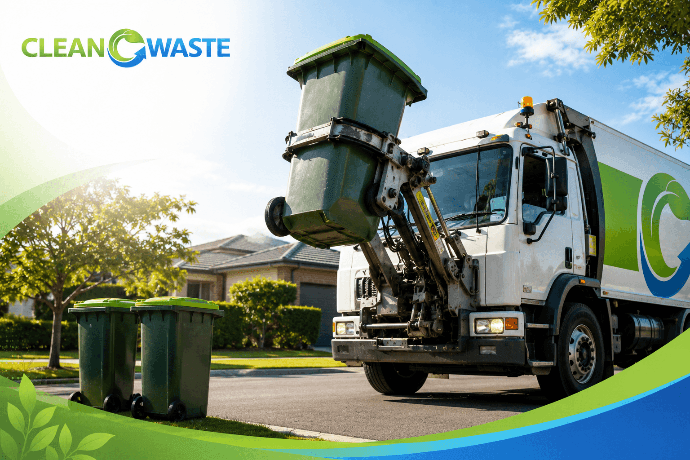
Specific Hazardous & Regulated Waste Streams
Several of our services are their own licensed hazardous or regulated waste stream — explore the one that matches your site.
What Drives Your Hazardous & Non-Hazardous Waste Cost
Pricing depends heavily on classification, volume and treatment pathway — a correct classification can also lower your cost.
Non-hazardous general and recycling waste is priced under our standard commercial waste rates.
Hazardous waste is priced by classification, volume and required treatment or disposal pathway.
Managing both categories under one account and invoice typically reduces your overall cost.
Request a free, itemised quote covering every waste stream your site generates, and we'll confirm your exact costs after a no-obligation site assessment and classification review.
Hazardous & Non-Hazardous Waste for Every Sector
Any business generating a mix of hazardous and general waste benefits from a single, correctly classified waste plan.
Hazardous & Non-Hazardous Waste Management Across Greater Sydney
Consistent, licensed collection wherever your site is located.
Guides on Hazardous Waste Compliance
Background reading on NSW EPA licensing, classification and the rules behind hazardous waste management.
Visit the Clean Waste blog for more guides on NSW waste compliance.
Hazardous & Non-Hazardous Waste FAQs
Straight answers to the questions Sydney businesses ask most before setting up a service.
How do I know if my waste is hazardous or non-hazardous?
Classification depends on the material's chemical, physical and biological properties under NSW EPA guidelines. A free site assessment reviews your specific waste streams and confirms the correct classification for each.
Are you licensed to handle hazardous waste?
Yes, Clean Waste holds all required NSW EPA licences for the collection, transport and disposal of hazardous and non-hazardous waste, with full documentation for every job.
Can hazardous and non-hazardous waste be managed under one account?
Yes. Both categories, along with related streams like liquid waste, oils, grease trap and tyre recycling, can be managed under a single account and invoice.
What documentation do I receive for hazardous waste collections?
Consignment notes and disposal certificates are issued for every hazardous waste job, confirming classification, volume, and the licensed facility it was taken to.
What happens if hazardous waste is misclassified?
Misclassifying hazardous waste can expose a business to significant NSW EPA penalties. If you're unsure how something should be classified, treat it as hazardous until confirmed otherwise and get it professionally assessed.
How much does hazardous waste disposal cost?
Non-hazardous waste is priced under standard commercial waste rates, while hazardous waste is priced by classification, volume and required treatment pathway. Managing both under one account typically reduces your overall cost. Contact us for a free, itemised quote.
Set Up Hazardous & Non-Hazardous Waste Management
Free site assessment. Correct classification. Fully documented, every collection.