Grease Trap Cleaning & Disposal for Sydney Commercial Kitchens
Council-compliant grease trap pump-outs, waste transport certificates and FOG (fats, oils and grease) disposal for restaurants, cafés and food businesses — on a schedule that keeps you compliant and blockage-free.
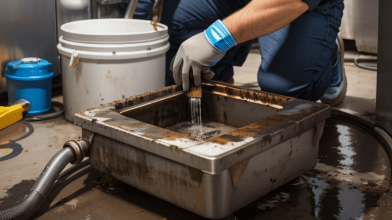
Licensed pump-out and disposal for commercial kitchen grease traps
What Is Grease Trap Cleaning & Disposal?
A grease trap (or grease arrestor) intercepts fats, oils and grease (FOG) from kitchen wastewater before it reaches the sewer. Over time it fills with trapped grease and solids, which must be pumped out, transported and disposed of by a licensed operator — both to keep the trap working and to meet your local council and Sydney Water trade waste agreement requirements.
Clean Waste provides scheduled grease trap pump-outs, wash-downs and licensed FOG disposal across Sydney, alongside your general waste, cardboard and organics streams under one account — with a free site assessment to confirm the right trap size and service frequency for your kitchen.
An Overdue Pump-Out Is a Compliance and Blockage Risk
A full or neglected grease trap is one of the most common causes of kitchen drain blockages and trade waste breaches.
Don't wait for a blockage or an inspection notice
Most Sydney councils and trade waste agreements require grease traps to be pumped out on a set schedule, with waste transport certificates kept on file. Missing a pump-out can trigger drain blockages, odour complaints, and non-compliance penalties — a regular schedule avoids all three.
Grease Trap Servicing That Keeps You Compliant
A pump-out only counts if it's done properly, documented, and on a schedule your council actually accepts.
From Booking to Certificate
Here's what happens during a scheduled grease trap service.
Free Site Assessment
We inspect your trap size, condition and kitchen output to recommend the right service frequency.
Scheduled Booking
Pump-outs are scheduled to suit your trading hours, with reminders before each visit.
Full Pump-Out & Wash-Down
Grease, solids and wastewater are fully removed and the trap interior is washed down.
Licensed Transport & Disposal
Waste is transported by a licensed operator to an approved liquid waste facility.
Certificate Issued
A waste transport certificate is provided for your compliance records.
Grease Trap Sizes & Service Frequency
From a small under-sink arrestor to a large in-ground trap, serviced on the frequency your kitchen's output actually needs.
Signs Your Grease Trap Needs Servicing & Good Kitchen Practice
Spotting the early signs — and keeping simple habits in the kitchen — extends time between pump-outs and avoids blockages.
⚠️ Signs You Need a Pump-Out
- Slow-draining sinks or floor drains in the kitchen
- Foul or sour odours near the trap or drain lines
- Grease visibly rising to the trap's surface
- Overflow or backflow during peak service periods
- It's been longer than your last agreed service interval
- Council or Sydney Water compliance letter received
✅ Good Kitchen Practice
- Scrape plates and pans into the bin before washing
- Never pour used cooking oil down the sink or drain
- Use a strainer basket on kitchen floor drains
- Keep a log of pump-out dates and certificates
- Train staff on correct FOG disposal procedures
- Report slow drains early rather than waiting for a blockage
What Happens to Grease Trap Waste After Collection
Understanding where FOG waste goes explains why licensed transport and disposal matter.
- Vacuum pump-out: Grease, solids and wastewater are extracted from the trap on site
- Wash-down: The trap interior and baffles are cleaned to remove residual build-up
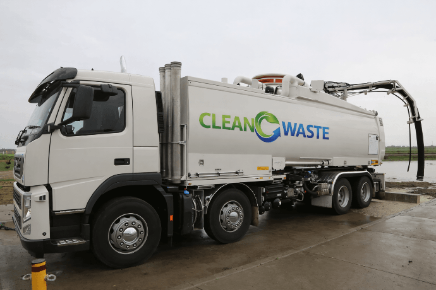
- Licensed transport: Waste is carried under EPA licence to an approved facility
- Separation: Grease and solids are separated from water at the receiving facility
- Resource recovery: Recovered fats and oils can be processed into biodiesel feedstock where facilities allow
What Drives Your Grease Trap Service Cost
Clear quotes, no hidden fees — a regular schedule is almost always cheaper than an emergency call-out.
Typical cost per pump-out for a small under-sink or light-duty arrestor.
Typical cost per pump-out for a standard in-ground commercial trap.
Typical cost per pump-out for a large or multi-trap high-volume kitchen setup.
Pricing depends on trap size, waste volume, access and location. Scheduled contracts are typically discounted against one-off or emergency call-outs. Request a free, itemised quote and we'll confirm your exact cost after a no-obligation site assessment.
Grease Trap Servicing for Every Kitchen
Any commercial kitchen with a grease trap or arrestor benefits from a scheduled, compliant service.
Grease Trap Cleaning Across Greater Sydney
Consistent, on-schedule servicing wherever your kitchen is located, plus emergency call-outs.
Grease Trap Cleaning & Disposal FAQs
Straight answers to the questions Sydney food businesses ask most before setting up a service.
How often does my grease trap need to be pumped out?
It depends on trap size and kitchen output — light-duty kitchens often go 8–12 weeks between services, standard commercial kitchens 4–8 weeks, and high-volume kitchens every 2–4 weeks. A free site assessment confirms the right frequency for you.
Is grease trap cleaning a legal requirement?
Most councils and Sydney Water trade waste agreements require commercial kitchens to maintain and regularly pump out grease traps, with records kept on file. Requirements vary by council and agreement, so check your specific trade waste conditions.
What do I get as proof of compliance?
A waste transport certificate is issued after every service, confirming the volume removed and the licensed facility it was taken to — ready to show council or Sydney Water on request.
Can you provide an emergency call-out for an overflowing trap?
Yes. Priority call-out service is available for overflowing, blocked or urgent grease trap situations, in addition to scheduled servicing.
What size grease trap does my kitchen need?
Trap size depends on your kitchen's fixture count and cooking volume — a small under-sink arrestor suits cafés and light-duty kitchens, while restaurants and high-volume kitchens typically need an in-ground trap. A free site assessment confirms the right size and service plan.
How much does grease trap cleaning cost in Sydney?
Typical costs range from $180–$320 per pump-out for a small arrestor, $320–$550 for a standard in-ground trap, and $550–$950 for a large or multi-trap setup. Scheduled contracts are usually discounted against one-off call-outs. Contact us for a free, itemised quote.
Set Up Grease Trap Servicing Today
Free site assessment. Right schedule for your kitchen. Fully documented, every pump-out.