Bulk Bag Recycling & Big Bag Recovery for Sydney Businesses
Collection, assessment and recycling of used FIBCs, jumbo bags and big bags from construction, agriculture, manufacturing and food-grade operations — sorted for reconditioning and reuse where possible, or recycled into raw polypropylene, with full documentation.
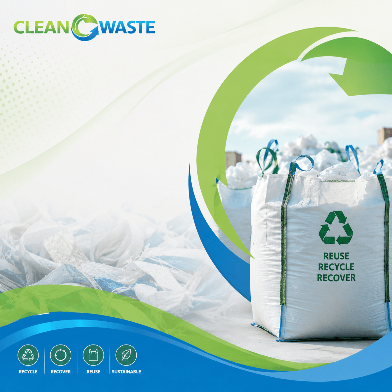
Sorted collection and recovery of bulk bags and FIBCs from Sydney businesses
What Is Bulk Bag Recycling?
Bulk bag recycling is the collection, assessment and processing of used flexible intermediate bulk containers (FIBCs) — commonly known as jumbo bags, big bags or super sacks — once they're empty and no longer needed. Woven polypropylene bulk bags used for sand, aggregate, grain, chemicals, fertiliser and other bulk materials retain real recycling value, and many bags in good condition can be reconditioned and reused rather than recycled straight into raw material.
Clean Waste collects bulk bags of any volume across Sydney — from a handful of empty bags on a small site to a full pallet-scale clear-out from a warehouse or distribution centre — with sorting by condition and material, and weighbridge documentation for every collection.
Confirm What Was Stored Before Bags Are Collected
What a bulk bag previously held determines whether it can be reconditioned, recycled, or needs specialist handling.
Flag bags that held hazardous or contaminated material
Bulk bags that previously held hazardous chemicals, contaminated soil or other regulated materials shouldn't be mixed in with a standard bag recovery collection. Let us know what your bags contained so we can route them correctly — clean, food-grade or general-use bags can go through our reuse and recycling stream, while contaminated bags may need to go through a hazardous waste pathway instead.
Bulk Bag Recovery That Maximises Reuse
A bulk bag collection only delivers full value if bags are assessed for reuse before they're recycled.
From Collection to Recycling Certificate
Here's what happens when you book a bulk bag recycling collection.
Free Site Assessment
We identify bag type, prior contents and condition to determine the best recovery pathway.
Booking & Collection
A collection is scheduled, with bags baled, palletised or loaded loose depending on volume.
Sorting by Condition & Type
Bags are sorted for reconditioning, mechanical recycling or specialist handling where flagged.
Weighbridge & Transport
Loads are weighed and transported to a reconditioning partner or approved recycling facility.
Certificate Issued
A weighbridge docket and recycling certificate are provided confirming diversion from landfill, for your records.
Bulk Bag Types We Collect
Most commercial and industrial bulk bag waste falls into one of these categories.
What Can & Can't Be Collected
Correct sorting keeps your collection efficient, protects recovery value and avoids contamination issues.
✅ Accepted
- Empty FIBCs, jumbo bags and super sacks in any condition
- Bags used for sand, aggregate, cement and building materials
- Bags used for grain, seed, fertiliser and agricultural products
- Food-grade bulk bags (sorted separately)
- Bags with liners, provided liners are removed or flagged
- Mixed or unsorted bulk bags (sorted on-site or at our facility)
❌ Not Accepted
- Bags with residual hazardous chemical or contaminated content
- Bags containing asbestos-contaminated material
- Bags mixed with general waste, timber or metal offcuts
- Bags with sharp or puncturing debris left inside
- Radioactive-contaminated bags
- Bags without prior disclosure of previous contents
What Happens to Bulk Bags After Collection
Understanding where bulk bags go explains why condition sorting and reuse-first assessment matter so much.
- Inspection & grading: Bags are inspected and graded for reconditioning suitability or recycling
- Reconditioning: Suitable bags are cleaned, inspected and prepared for a second service life
- Weighing & logging: Loads not suited to reuse are weighed and logged for recycling
- Mechanical recycling: Non-reusable bags are shredded and reprocessed into raw polypropylene
- Record keeping: Weighbridge dockets and recycling certificates are retained to support your reporting
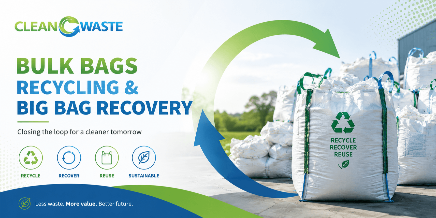
What Drives Your Bulk Bag Recycling Cost (or Return)
Clear terms based on bag condition and volume, no hidden fees.
Small mixed loads and general clear-outs are typically charged a standard collection fee.
Larger, well-sorted loads of reusable or recyclable bags may return value based on condition and market rates.
Warehouse-scale or ongoing bulk bag recovery programmes are assessed and quoted individually.
Pricing depends on bag condition, volume and whether bags qualify for reconditioning versus recycling. Request a free, itemised quote and we'll confirm your cost or return after a no-obligation site assessment.
Bulk Bag Recycling for Every Sector
Any business using FIBCs or bulk bags benefits from a sorted, reuse-first recovery service.
Bulk Bag Recycling Across Greater Sydney
Consistent, documented collection wherever your site, warehouse or yard is located.
Other Recycling & Waste Services You May Need
Bulk bag recovery often comes alongside other site waste streams — explore the related service that matches your operation.
Guides on Recycling & Waste Compliance
Background reading on how bulk bag recovery fits into NSW's waste and resource recovery rules.
Visit the Clean Waste blog for more guides on NSW waste compliance.
Bulk Bag Recycling FAQs
Straight answers to the questions Sydney businesses ask most before booking a bulk bag recovery service.
What counts as a bulk bag or FIBC?
Flexible intermediate bulk containers — commonly called jumbo bags, big bags or super sacks — made of woven polypropylene and used to transport sand, aggregate, grain, chemicals, fertiliser and other bulk materials all count as bulk bags.
Can bulk bags be reused instead of recycled?
Yes, bags in good condition are prioritised for reconditioning and reuse ahead of recycling, which extends their service life and reduces overall cost. Our team assesses condition on collection.
What if a bag previously held chemicals or hazardous material?
Let us know what a bag held before collection. Clean, food-grade or general-use bags go through our standard reuse and recycling stream, while bags with hazardous or contaminated residue may need to go through a separate hazardous waste pathway.
Do you handle liners inside bulk bags?
Yes, but liners should be removed where possible or flagged at booking, since liner material is often a different plastic type and needs to be processed separately from the woven bag.
Do you handle small quantities, like a handful of bags on a small site?
Yes, from a handful of empty bags to a full pallet-scale warehouse clear-out. A free site assessment scopes the job at any volume.
How much does bulk bag recycling cost in Sydney?
Costs vary — small mixed loads are typically charged a standard collection fee, while larger, well-sorted loads of reusable or recyclable bags may return value based on condition and current market rates. Contact us for a free, itemised quote or valuation.
Book Bulk Bag Recycling Today
Free site assessment. Reuse-first recovery. Fully documented, every collection.