Organic Waste Recycling for Sydney Businesses
End-to-end organic waste processing that converts food and green waste into compost and biogas instead of landfill. One provider for collection, processing and full disposal documentation.
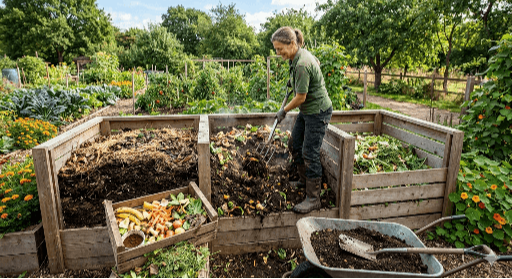
Food and green waste diverted from landfill and processed into compost or biogas
What Is Organic Waste Recycling?
Organic waste recycling is the collection and processing of food and green (garden) waste so it's diverted from landfill and converted into a useful resource — compost that returns nutrients to soil, or biogas that generates renewable energy — instead of breaking down in landfill and releasing methane, a greenhouse gas far more potent than CO2.
Clean Waste manages the full journey: collection from your site, transport to a licensed processing facility, and documentation confirming exactly where your organic waste ended up. It covers a wider range of material than a standard FOGO bin service — including landscaping and garden waste — and suits any business generating organic waste, not only food-handling businesses chasing a compliance deadline.
Organic Waste, Turned Into Something Useful
Every collection is tracked from your bin through to the processing facility, with documentation to prove it.
From Collection to Compost or Biogas
Here's exactly what happens to your organic waste once we collect it.
Free Assessment
We review your food and green waste volumes and recommend the right bin setup.
Bin Delivery
Colour-coded organics bins are delivered and positioned, sized to your output.
Scheduled Collection
Bins are collected on a set schedule and transported to a licensed processing facility.
Processing
Material is sorted, decontaminated, and processed into compost or diverted to biogas generation.
Documentation
You receive consignment and processing records confirming where your waste ended up.
What Actually Happens to Your Organic Waste
Depending on the material and the receiving facility, your organic waste is processed one of two ways.
- Composting: Food and garden organics are broken down under controlled conditions into nutrient-rich compost, used to improve soil health in agriculture, landscaping and horticulture
- Anaerobic digestion (biogas): Organic material is broken down without oxygen, producing biogas that's captured and used to generate renewable electricity, with the leftover material also usable as fertiliser
- Either way, it's diverted from landfill: Both pathways avoid the uncontrolled methane emissions that organic waste produces when it breaks down in landfill
Organic Waste Bin Options
From a small kitchen caddy to a large hook bin for green waste, sized to match what your site actually generates.
What Can & Can't Go in an Organic Waste Bin
Keeping contamination out means more of your waste actually gets processed rather than rejected.
✅ Accepted
- Food scraps — raw and cooked, including meat, dairy and bones
- Food-soiled paper — napkins, paper towel, pizza boxes
- Garden organics — grass clippings, leaves, small prunings
- Certified compostable liners (AS 4736 / BPI-certified only)
- Coffee grounds and tea bags (check tea bag plastic content)
- Untreated timber offcuts and branches
❌ Not Accepted
- Regular plastic bags or non-certified "biodegradable" liners
- Glass, metal, plastic packaging or cutlery
- Treated or painted timber
- Liquids, cooking oil or grease trap waste
- Garden chemicals, pesticides or herbicide containers
- General waste or recyclables mixed in
What Drives Your Organic Waste Cost
Clear quotes, no hidden fees — and diverting organics from general waste usually lowers your total bill.
Typical per-lift cost for a 120L organic waste bin in Greater Sydney.
Typical per-lift cost for a 240L–1,100L organic waste bin in Sydney.
Larger green waste volumes via skip or hook bin are quoted per project based on size and frequency.
Pricing depends on bin size, frequency, waste type and location. Request a free, itemised quote and we'll confirm your exact service cost.
Organic Waste Recycling for Every Sector
Any business generating food or green waste can benefit from diverting it from landfill.
Organic Waste Recycling Across Greater Sydney
Consistent, on-schedule collection and processing wherever your site is located.
Organic Waste Recycling FAQs
Straight answers to the questions Sydney businesses ask most before setting up a service.
What is organic waste recycling?
Organic waste recycling is the collection and processing of food and green waste so it's diverted from landfill and converted into compost or biogas instead of breaking down in landfill and releasing methane.
How is this different from the FOGO bin service?
FOGO Bin Services focuses on the bin and collection side for food-handling businesses meeting the NSW EPA mandate. Organic Waste Recycling covers the broader end-to-end outcome — food and green waste together, including larger garden and landscaping waste — and suits any business generating organics, not just those chasing a compliance deadline.
What happens to my organic waste after collection?
It's transported to a licensed processing facility where it's sorted, decontaminated, and either composted into a soil-improving product or processed through anaerobic digestion to generate biogas. You receive documentation confirming the outcome.
Can I combine food waste and green waste in one service?
Yes. Food and garden organics can be collected together or as separate streams depending on your site and volumes — we'll recommend the right setup during your free assessment.
What can't go in an organic waste bin?
Plastic bags (including non-certified "biodegradable" ones), glass, metal, treated timber, liquids, cooking oil, and garden chemicals are not accepted. Only AS 4736 or BPI-certified compostable liners should be used.
How much does organic waste recycling cost in Sydney?
Per-lift costs for a 120L organic waste bin typically range from $20–$40 in Greater Sydney, with 240L–1,100L bins ranging from $40–$85. Larger green waste volumes via skip or hook bin are quoted per project. Contact us for a free, itemised quote.
Set Up Organic Waste Recycling Today
Free site assessment. Right-sized bins. Compost or biogas outcomes. Full documentation, every job.